The Dents Come Out.
The Paint Stays On.
We map every dent and work the metal back from behind the panel. The factory paint stays on your car.
How Your Hail Repair Works
Six steps, start to finish. You will know what is happening to your car at every one of them.
Book Your Free Assessment
Call and tell us where the car is parked. We come to it, count the damage and tell you what we see.
Your Carrier Opens the Claim
Hail goes in as a comprehensive claim. Ask your carrier how it wants it opened, and bring the dent count to that call.
Full Inspection and Mapping
Right where the car is parked, every dent is marked and counted panel by panel under proper light.
Estimate Goes to the Carrier
The dent count becomes an itemized estimate, and your carrier reviews it.
Carrier Authorizes the Work
Your carrier reviews the car and the estimate, then authorizes what it will pay for before any work starts.
The Metal Goes Back
We work each dent out from behind the panel until the surface reads flat again, with the factory paint still on it.
What Paintless Repair Gets You
What the method gives you and how hail claims work.
What People Ask About PDR
What paintless dent repair does, what it cannot do and how a hail claim actually runs.
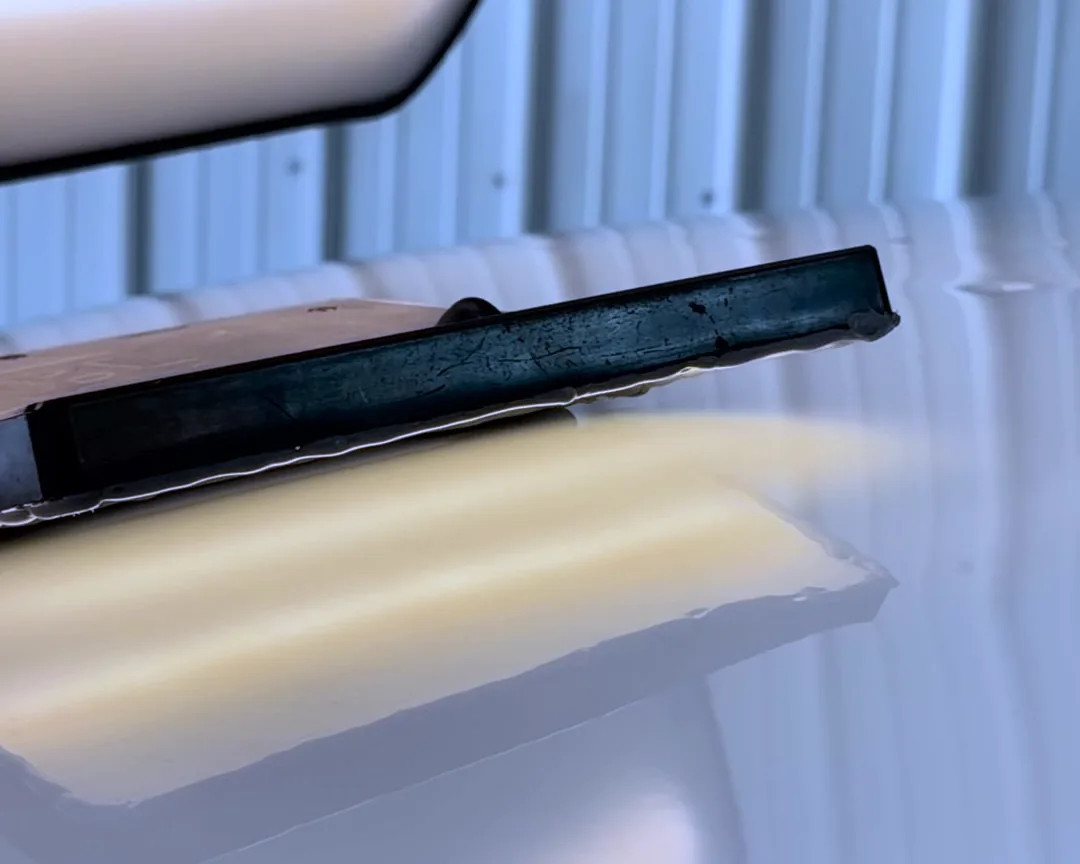
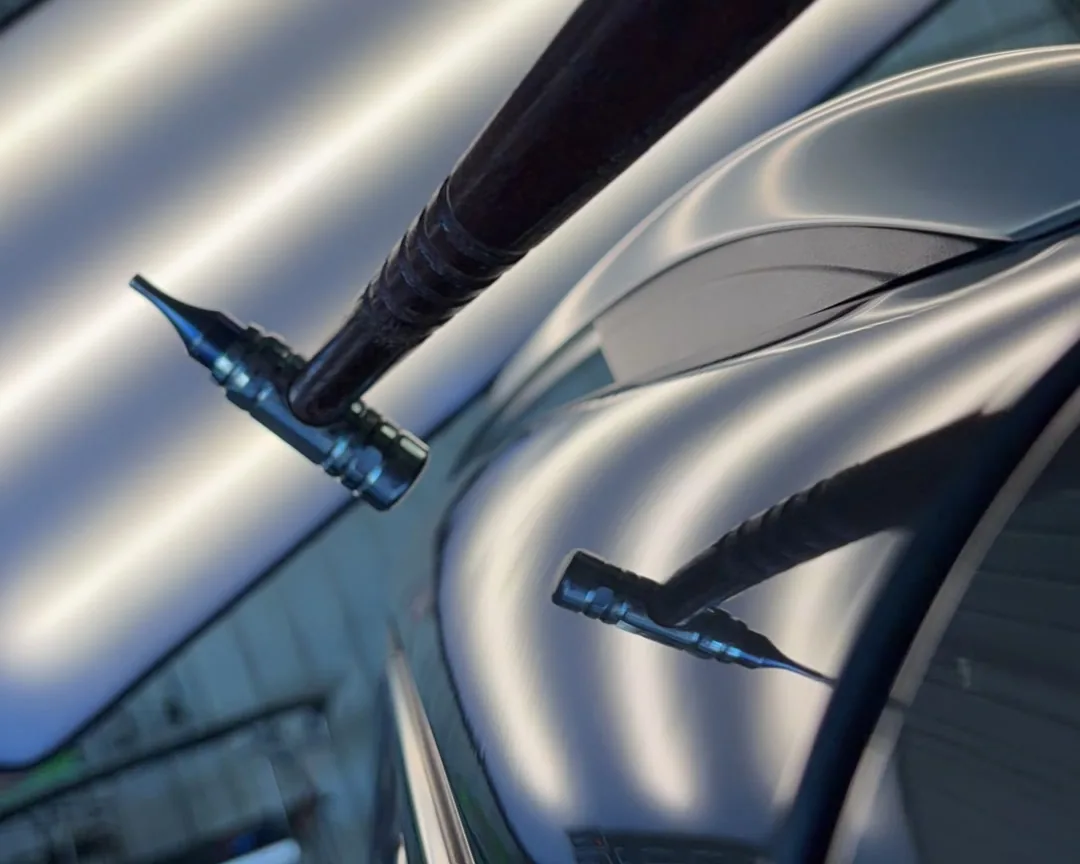
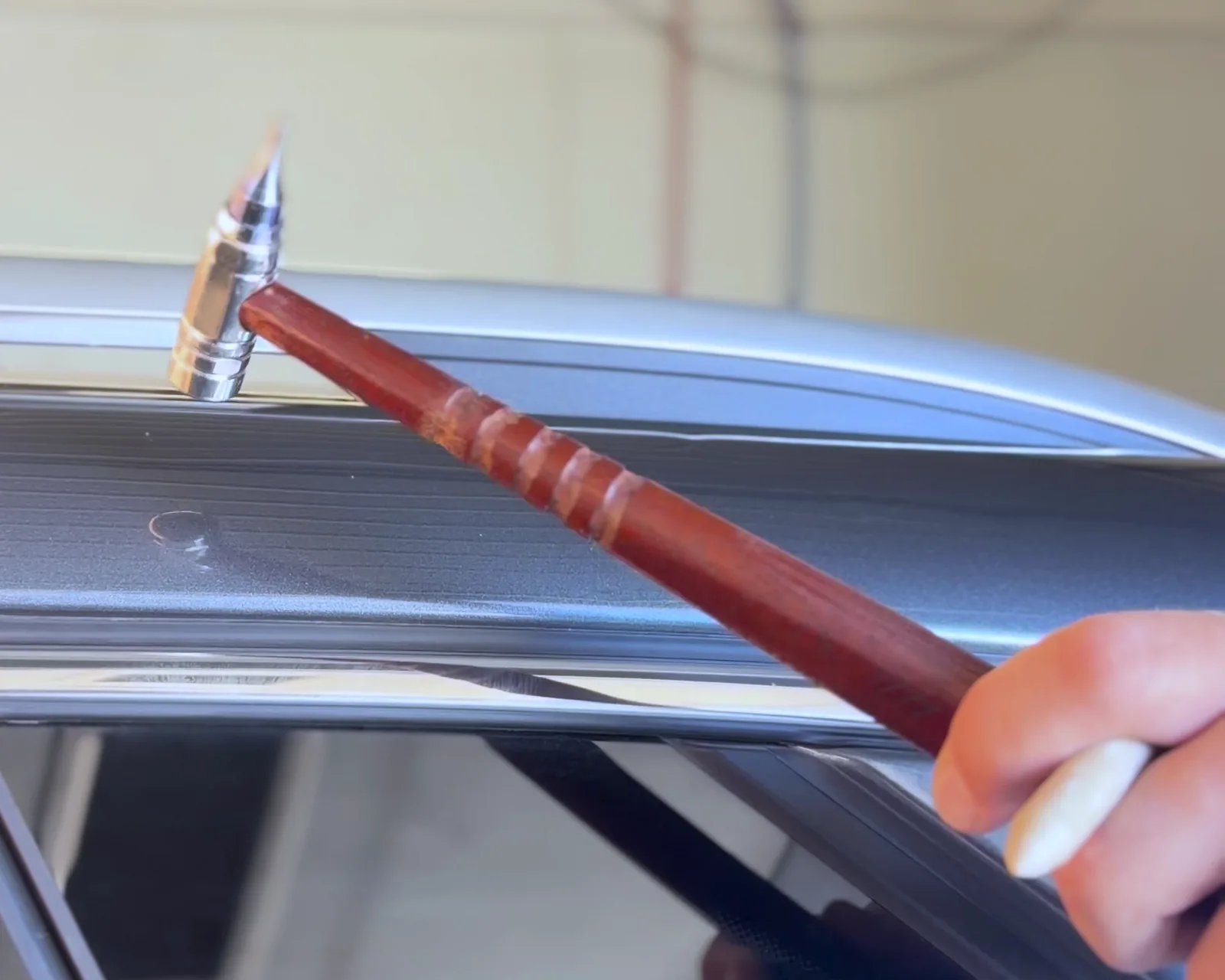
It is dent removal that never touches the paint. A technician reaches behind the panel with rods built for the job and works the metal back to its original shape from the inside out. No body filler, no sanding, no primer, no color match. The panel on your car stays the panel the factory painted.
Conventional repair fixes the shape by adding and removing material: grind, fill, sand, prime, spray, blend. The panel ends up with new paint on it, and new paint is never the factory's paint. PDR changes nothing but the shape of the metal, so there is no refinish step to go wrong later.
Modern factory finishes are flexible. Clear coat and color flex with the metal while the dent is worked out, which is exactly why the method exists. Nothing is sanded, nothing is filled, nothing is resprayed. If a dent has already cracked the paint, that is not a PDR dent, and we say so up front.
No. Round, shallow dents with whole paint and access from behind are the sweet spot. Five things can keep a dent from coming out fully: cracked paint, stretched metal, sharp creases, dents on an edge or braced seam and spots with no access from behind. You get told which of your dents fall where.
Most hail dents come out completely, and once a dent is worked out properly it does not come back. The honest answer is that some will not: where the paint is cracked or the metal is stretched, the panel will not read perfectly flat again. We tell you which dents are which before a tool comes out, not after.
That is between you and your carrier, and we will not pretend otherwise. Hail is filed as a comprehensive claim, and your policy sets your deductible, not Hailsmith. What we will do is walk you through the estimate line by line so you know exactly what was submitted and what the carrier authorized.
Serving the Kansas City Metro
Hailsmith works the Kansas City metro on both sides of the state line, Missouri and Kansas.
Kansas City
Service area across the metro.
No storefront. The crew comes to the car.
What PDR Fixes, and What It Does Not
Here is the full boundary of the method, in plain terms.
The Sweet Spot
Round, shallow hail dents with whole paint, on a panel with access from behind. This is the bulk of a hail car: hood, roof, trunk, upper doors, quarter panels. Most come out fully and stay out.
The Hard Cases
Sharp creases, stretched metal, dents on a body line and panels braced or glued from behind. Some still come out. Some come out most of the way. A technician can tell you which after seeing the panel, not over the phone.
Outside PDR Entirely
Cracked or chipped paint, torn panels and broken glass or trim. These need conventional refinishing or replacement. Anything on your car in this category gets called out in the estimate rather than quietly skipped.
Get the Dents Out, Keep the Paint
Call for a Free AssessmentFree assessment. No commitment. You see the dent count before anything is decided.